
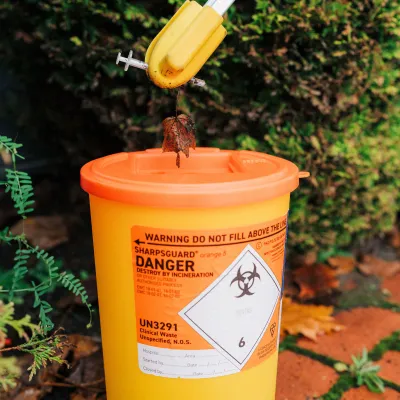
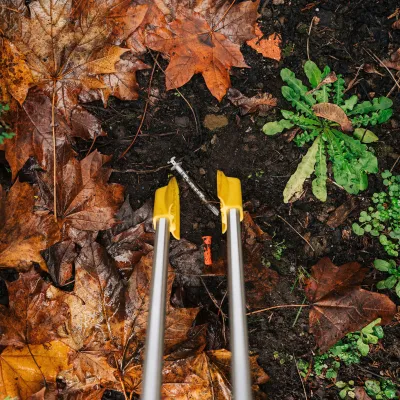
Tongs picking up a syringe from the ground outdoors and placing it into a sharps bucket.

About the course

The dangers of drugs affect everybody. Used syringes and other drug-related waste are found in a variety of places, including commercial premises, schools, hospitals and pubs. Discarded sharps and other clinical waste can cause harm to those who come in contact with them. That’s why it’s important to have the awareness to ensure personal safety…

When talking about medical waste, sharps refers to objects with sharp edges or points, such as a needle, syringe, lancet. We would also consider scalpel blades as sharps clinical waste.

Improper handling or disposal can cause cuts, punctures, and exposure to bloodborne pathogens and other infectious materials. Understanding infection control and safe handling procedures is essential to minimise the risk of injury.

Hepatitis B, C, and HIV are three major diseases associated with a sharps injury. These diseases are among the most common bloodborne viruses transmitted through contaminated sharps, such as needles and blades. The risk of transmission increases with the presence of blood or bodily fluids on the sharps used.

While healthcare professionals must know how to handle and dispose of sharps safely, these items are often found in public places due to drug use. To protect the public, especially children, more people need training in safe sharps disposal.

We offer courses for sharps training in our centres across Wales. We can also provide the training at your place of work if 6 or more of your employees need training.

What does the course cover?

What is drug-related litter
Types of drugs in society
How to handle and store drug-related litter to prevent prosecution/injury
How to dispose of drugs, syringes and sharps
Drug-related first aid
Hand hygiene

We can bring this training course to your workplace

For groups of six or more

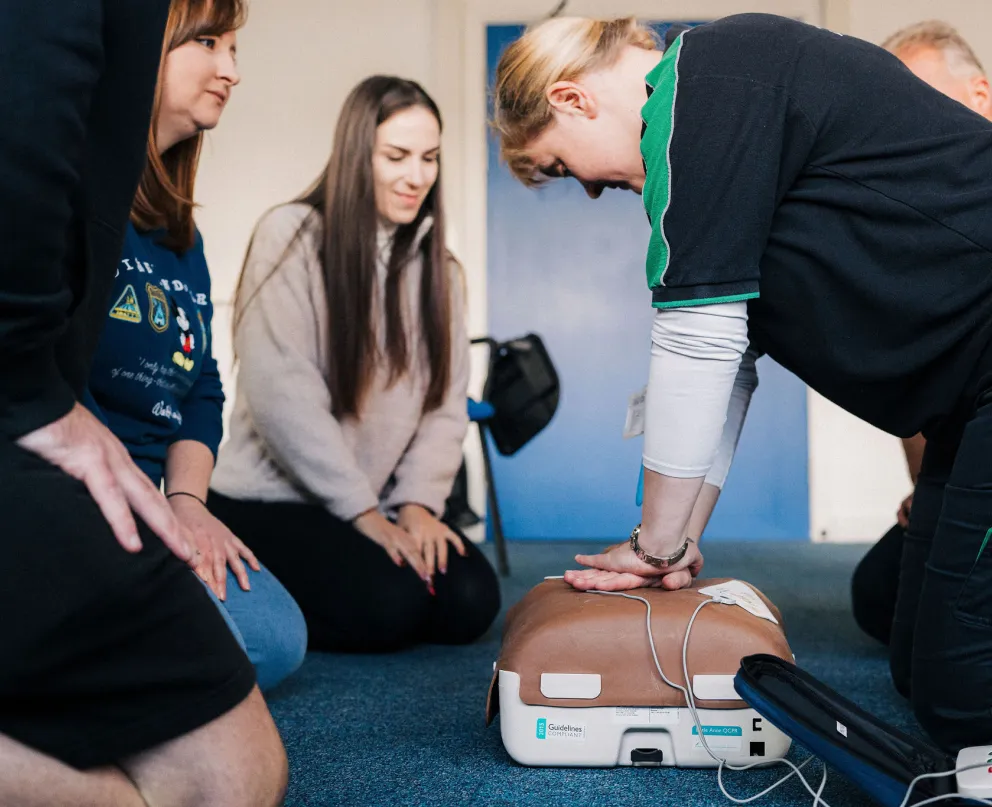
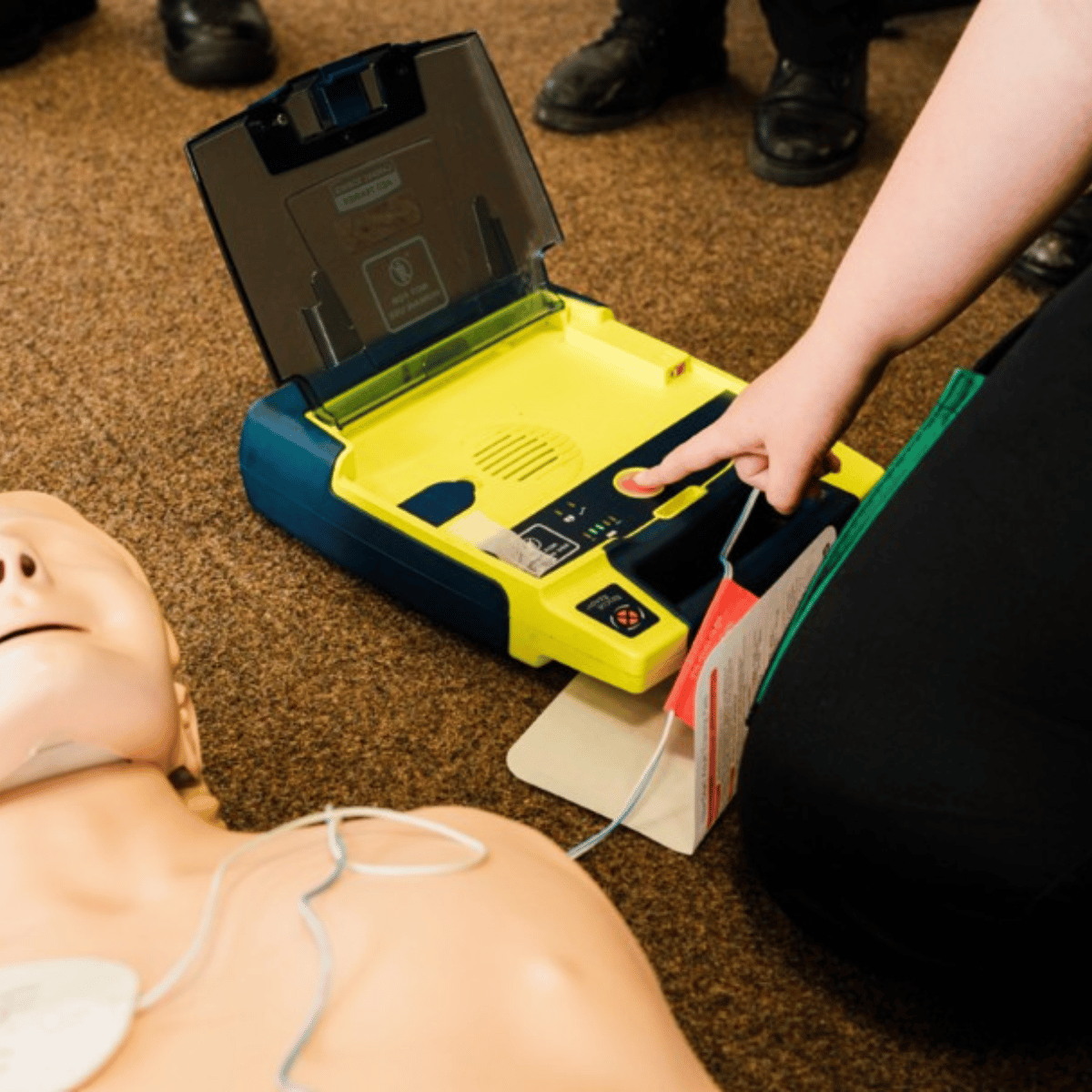
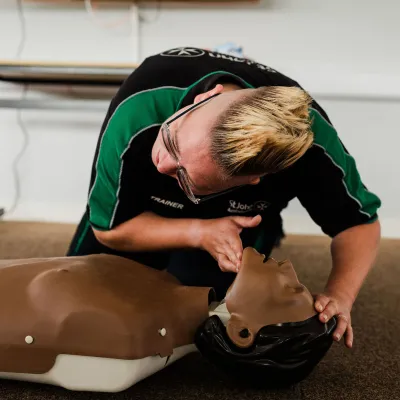
A course trainer wearing green and black uniform is demonstrating CPR on a training manikin. She is performing chest compressions, kneeling by the manikin and putting the heel of one hand in the centre of the manikin's chest. She has placed her other hand on top of the first.

Have a question or need help with booking a course?

Email training@sjacymru.org.uk or ring 0300 201 1999.