
‘The Traitors’ finalist supports Save a Life September with a powerful mental health message
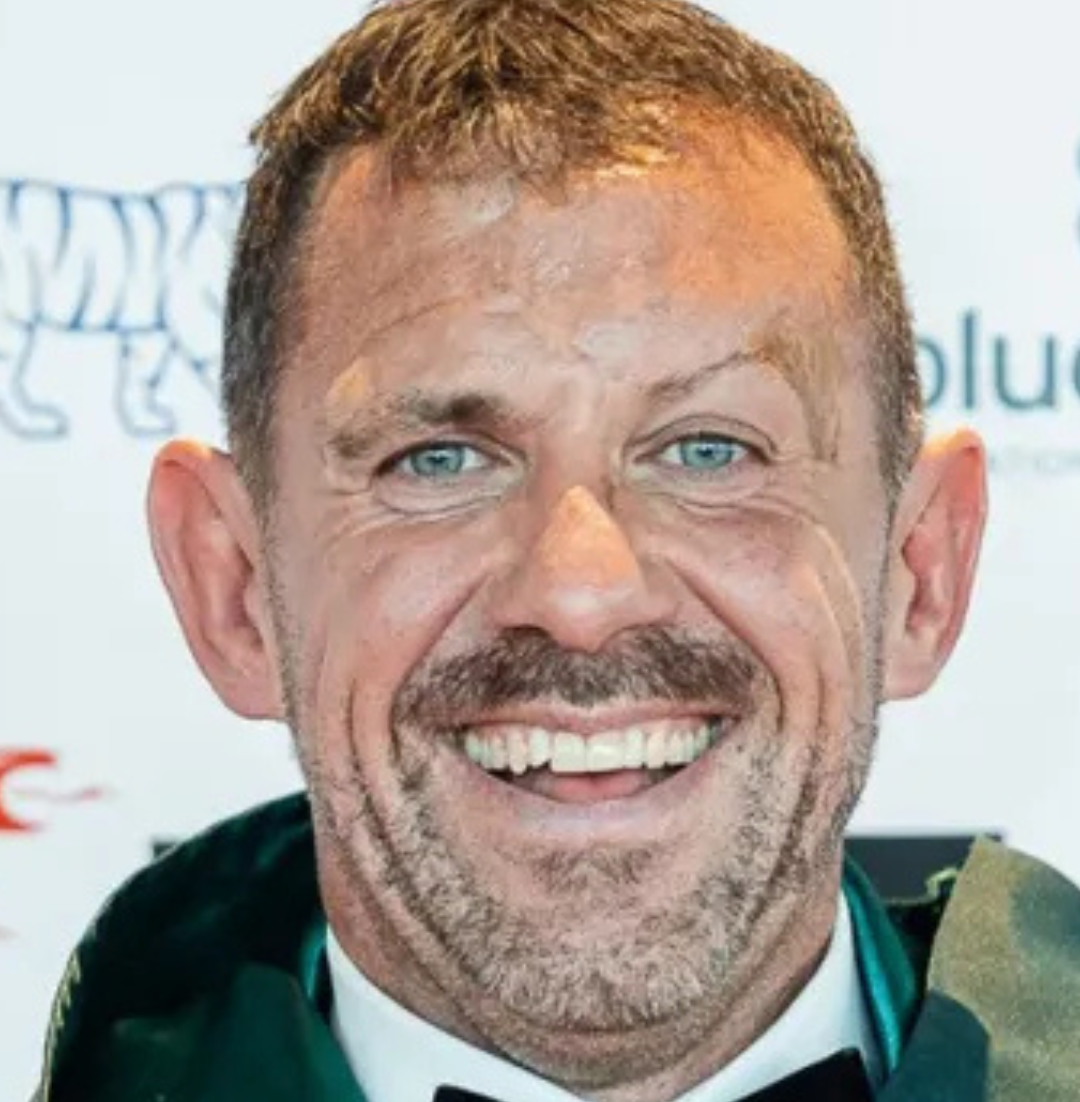
“Mental health first aid is just as important as CPR,” says BBC The Traitors finalist Andrew Jenkins, who is using his extraordinary survival story to help others speak up, seek support and learn how to save lives.
When Andrew Jenkins appeared on BBC’s The Traitors in 2024, viewers across the UK connected with his quiet strength, openness and authenticity. But behind the castle walls and mind games, Andrew was already carrying a powerful story — one that began with a near-fatal car crash and led him on a journey of survival, silence and eventually, self-acceptance. Now, he is using that story to help others, especially when it comes to mental health and the importance of first aid that goes beyond physical injury.
Back in August 1999, Andrew was 21 years old when he lost control of his car and suffered life-changing injuries. He was dragged along the road, his skull shattered, and his body crushed beneath the car. “When the emergency services turned up, they thought I was dead at the side of the road,” he told St John Ambulance Cymru’s Sam Cook during an episode of podcast series, Just in Case: Stories from St John. “I had two blood transfusions on the spot. I lost six pints of blood.”
Andrew was put into a coma and underwent major surgery to remove bone from his brain. What followed was a long physical recovery, but the emotional scars took much longer to heal.
“I hated myself,” he admitted. “I suffered in silence for many years. I used to wear long-sleeve shirts all the time. I only started wearing short sleeves about five years ago. I couldn’t accept my scarring. I’d look in the mirror and call myself a freak.”
He said that while he smiled in public, privately, he was struggling every day. “Behind closed doors, I hated what I saw in the mirror. I’d lie in bed crying. My own family didn’t see it. I just got up every day, put on a shirt and tie, and forced myself to go to work.”
It took Andrew more than two decades to truly speak about his experience. A turning point came when he tracked down the surgeon who had saved his life. “He said, ‘You’re a miracle.’ That made me realise how lucky I was to be here. I could either spend the rest of my life resentful or use my trauma to help others.”
Since then, Andrew has become a passionate advocate for open conversation and mental health education. While he has received traditional first aid training, including the use of defibrillators through roles in security and management, he has also come to see the value in mental health first aid.
“I didn’t even know mental health first aid was a thing,” he said. “But it makes total sense. Sometimes, people just need someone to sit with them, not fix them. They want someone to listen. That alone can be lifesaving.”
Andrew believes strongly in lived experience. “I’m not a qualified counsellor. I tell people that straight away. But they don’t care. They say, ‘I just want to talk to someone who understands.’ That’s why I think training in this area is so important. It gives people confidence to help, even if all they do is listen.”
He is also a strong supporter of St John Ambulance Cymru, whose mental health first aid courses are open to the public. “Mental health doesn’t discriminate,” Andrew said. “It doesn’t matter who you are. It can affect your friends, your family and your colleagues. If I had someone close to me going through something, I’d want to be able to help and say the right thing.”
He added, “People fear saying the wrong thing. But training helps with that. You learn how to spot signs and how to respond without judgment. I would say to anyone thinking about it: do the course.”
Andrew’s talks now reach schools, conferences and communities across Wales. He aims to break the silence he lived with for 25 years. “I want people to know that opening up doesn’t make you weak,” he said. “I want to reduce suicide rates. I want people to understand that grief doesn’t only happen when someone dies. You can grieve a job, a sport, your old self. That was me.”
He hopes that sharing his story helps others take steps sooner. “It took me 24 years to accept what happened. If I can save someone else from waiting that long, it’s worth it.”
Andrew’s story reminds us that first aid is not only about bandages and CPR. It’s about recognising when someone is struggling and having the confidence to help. As he said, “Prevention is better than cure. Nobody’s coming to save us. So, we need to look after our physical and mental health. If we do that, we can be there for others, too.”
St John Ambulance Cymru’s mental health first aid course is ideal for anyone who wants to gain a deeper understanding of mental health and develop the skills to support their own and others’ wellbeing in the workplace. Whether you’re a manager, team leader, HR professional, or simply passionate about creating a supportive work environment, this training will equip you with the confidence to make a real difference.
The course involves an engaging learning experience centred around real-life scenarios and practical exercises. Upon successful completion of the course, participants will receive a St John Ambulance Cymru certificate of competence, certifying them as Mental Health First Aiders. For those interested in obtaining a Level 3 Award in Mental Health First Aid, a separate formal, proctored examination is available upon request. To find out more, visit https://www.sjacymru.org.uk/en/courses/MHFA
Just in Case: Stories from St John is available on all major podcast platforms, including Spotify and Apple Podcasts, with new episodes set to release every month. St John Ambulance Cymru provides lifesaving support at events across Wales and delivers first aid training to people of all ages. To get involved, book training, or support their work, visit www.sjacymru.org.uk.
To listen on Apple Podcasts go to: https://podcasts.apple.com/us/podcast/just-in-case-stories-from-st-john/id1830427277
To listen on Spotify visit: https://open.spotify.com/show/05SXgJnpuJ2oX176hzSAcq