


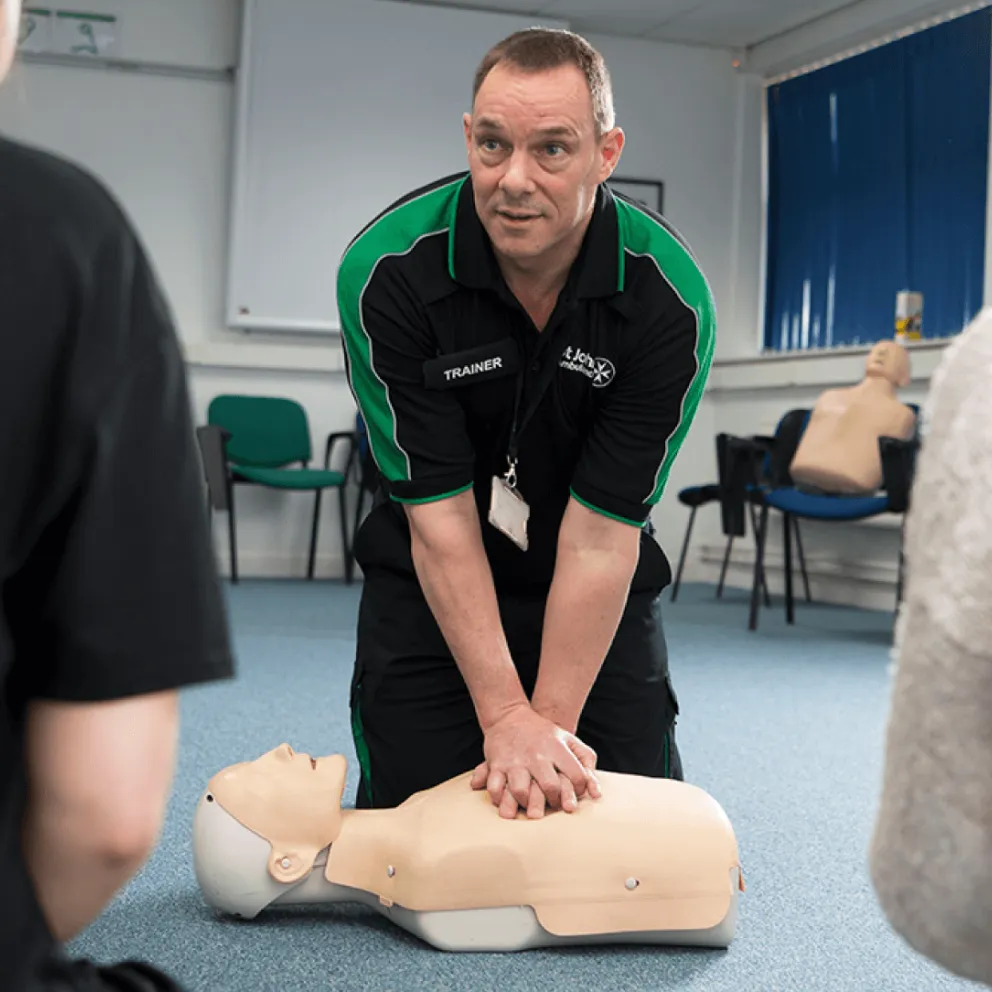
This Catastrophic Bleeding & Tourniquets first aid training course provides all the information necessary to stop a severe and uncontrolled bleeding episode, and to apply a tourniquet or haemostatic dressings. This catastrophic bleeding course lasts only 1 hour, and would be a fantastic bolt-on to our Emergency First Aid at Work or First Aid at Work 3-Day Course. After this course delegates will be confident in dealing with administering critical first aid in a high-risk environment where the loss of life is imminent.
Catastrophic Bleeding & Tourniquets
About the course
This Catastrophic Bleeding & Tourniquets first aid training course provides all the information necessary to stop a severe and uncontrolled bleeding episode, and to apply a tourniquet or haemostatic dressings. This catastrophic bleeding course lasts only 1 hour, and would be a fantastic bolt-on to our Emergency First Aid at Work or First Aid at Work 3-Day Course.…
Catastrophic bleeding is essentially life threatening bleeding. You may also refer to it as a catastrophic haemorrhage. A catastrophic bleed means that there is significant blood loss, and that immediate medical attention is needed to control bleeding to prevent a potentially fatal conclusion. Through catastrophic bleeding first aid training you will have the skills to save a life should you need to.
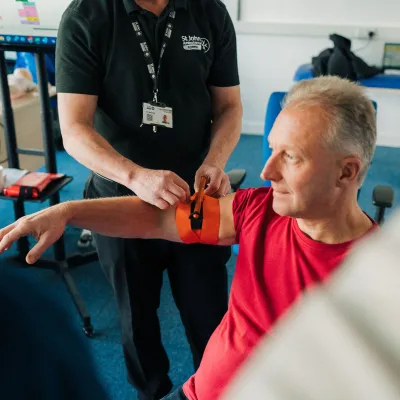
A tourniquet is a tool that is used on a patient in catastrophic bleeding first aid. We use it to apply pressure to the blood vessel. It consists of a wide band, often made of elastic or rubber material, which is tightly wrapped around the limb above the site of bleeding. The purpose of a tourniquet is to temporarily halt or significantly reduce blood flow to the affected area, effectively stopping the bleeding. They are used when applying direct pressure on the wound is not effective enough. It’s important to note that tourniquets should be used as a last resort and only in situations where there is an immediate threat to life due to severe bleeding. Improper or prolonged use of a tourniquet can lead to complications, such as tissue damage or limb loss. Therefore, a sound knowledge of tourniquet application and usage is crucial, and medical assistance should be sought as soon as possible after applying a tourniquet in order to manage a bleed. If you are in a position where you have been tasked with severe bleeding control, the absolute first thing you should do in all situations if possible is to call 999.
Not every business will need this full training. First aid needs must be identified by undertaking a thorough first aid risk assessment. This will enable you to understand exactly what kind of first aid cover you need in order to remain compliant. How likely is it that a severe bleed or haemorrhage will occur in your place of work? Remember that according to the Health and Safety (First Aid) Regulations of 1981, employers are required to provide adequate and appropriate equipment, facilities and personnel to ensure their employees receive immediate attention if they are injured or taken ill at work. What is considered adequate and appropriate depends on your specific circumstances. If you’re not sure, a member of our dedicated training team would be happy to help. Get in touch by calling 0300 201 1999 or email training@sjacymru.org.uk.
What does the course cover?
State the primary survey process when catastrophic bleeding is identified
Apply an Olaes modular bandage
Apply a manufactured tourniquet
Identify the features and uses of the Olaes modular bandage, blast bandage and manufactured tourniquets
Apply a blast bandage
State where a tourniquet is applied, who removes it, what to record after application