
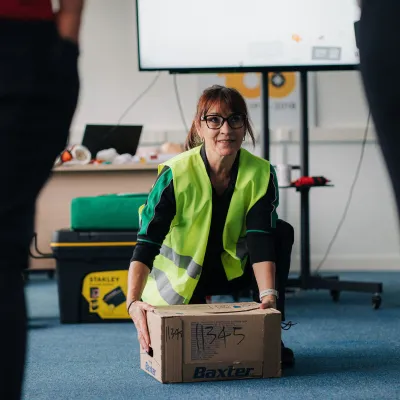





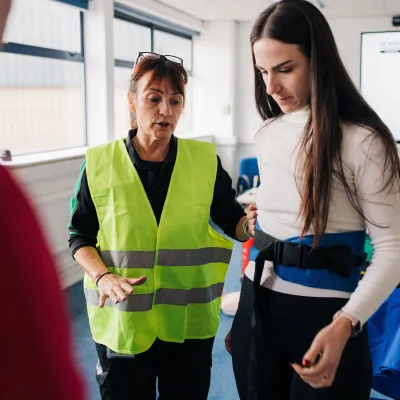
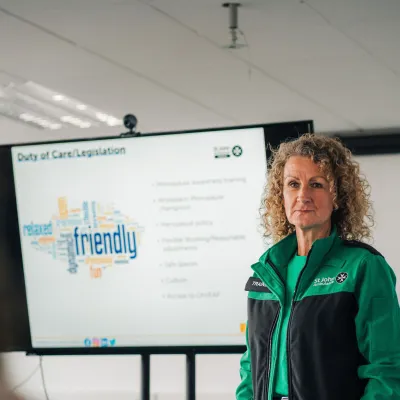
A trainer is teaching the Manual Handling Objects course to delegates. She is wearing green and black St John Ambulance Cymru uniform, as well as a bright yellow high visibility jacket. She has lowered her body by bending her knees, whilst maintaining a straight back to pick up a box which is on the floor.

About the course

Providing your workforce with manual handling training helps to highlight the dangers that poor manual handling poses. Our manual handling course will help to reduce work-related back injuries and minimise absenteeism through improving manual handling awareness. Adhering to the All Wales Manual Handling Passport Scheme, this 1/2 day course trains people to lift and carry…

A manual handling task will involve moving a load by hand or bodily force. This is a very common activity, and you likely do it not just at the workplace but also at home. The supporting of a load with your body opens up the potential risk of a manual handling injury. If an employee suffers a workplace injury that could have been prevented by the employer or through training, this can have serious business repercussions. That’s why it’s important to take a manual handling training course to improve health and safety at work.

The Manual Handling Operations Regulations 1992 is the primary law for manual handling operations regulations in the UK. All employers must comply with this law to ensure best practices for health and safety in the UK. That’s why it’s vital for employers to carry out a manual handling risk assessment and to implement control measures.

This Scheme has been developed by the Welsh Assembly Government, Health & Safety Executive (HSE), Unitary Authorities and NHS Wales. The point of this is to make standards consistent across the country. Employers and employees both benefit from having a recognised training standard when it comes to manual handling that can be transferred to new departments and other organisations.

Workers can sustain all kinds of painful injuries from lifting, holding, and carrying things in the wrong way. This can lead to absences from work or long term health issues. The 3 most common injuries associated with moving and holding objects are back, hand, and foot injuries, and trips, falls, and hernias. Attending a Manual Handling course helps delegates understand the risks and learn safe handling techniques to prevent these injuries and stay safe at work.

Research has shown that the older we get, the more at risk we become. Injuries are most common for those between 45-54, but also for those over the age of 55. This might be because they still use old training habits that we do not recommend nowadays. Management must recognise the risks of manual handling and assess employees age and physical abilities before assigning tasks.

We offer courses in Moving & Handling Objects across Wales at our training centres. We can also teach at your premises if six or more of your employees require training.

What does the course cover?

Modules A and B of the All Wales Manual Handling Passport Scheme
Regulations, practice and responsibilities
Spinal anatomy and related injuries
The ergonomics of safe lifting
Manual handling risk assessments and risk reduction
Safe manual handling of objects

We can bring this training course to your workplace

For groups of six or more

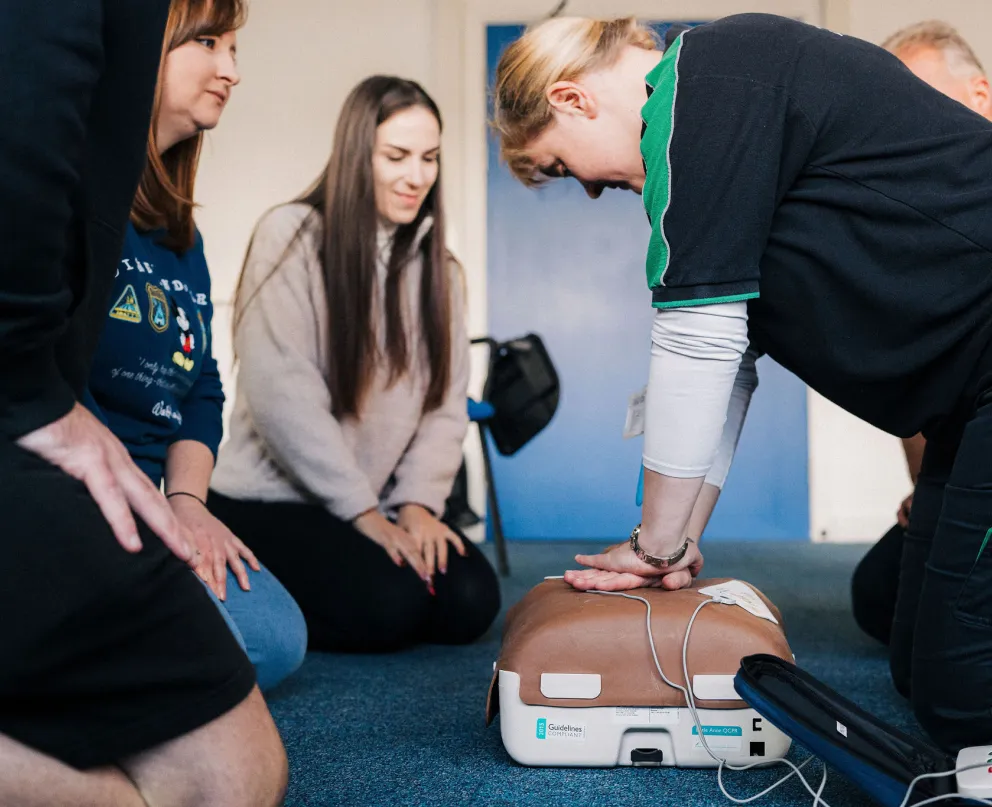
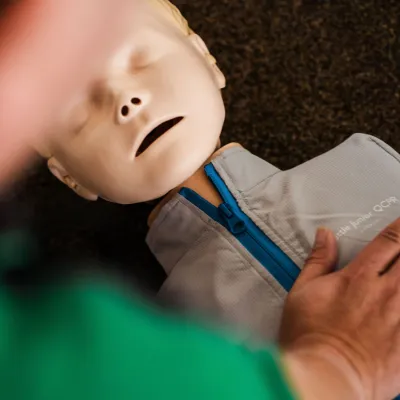
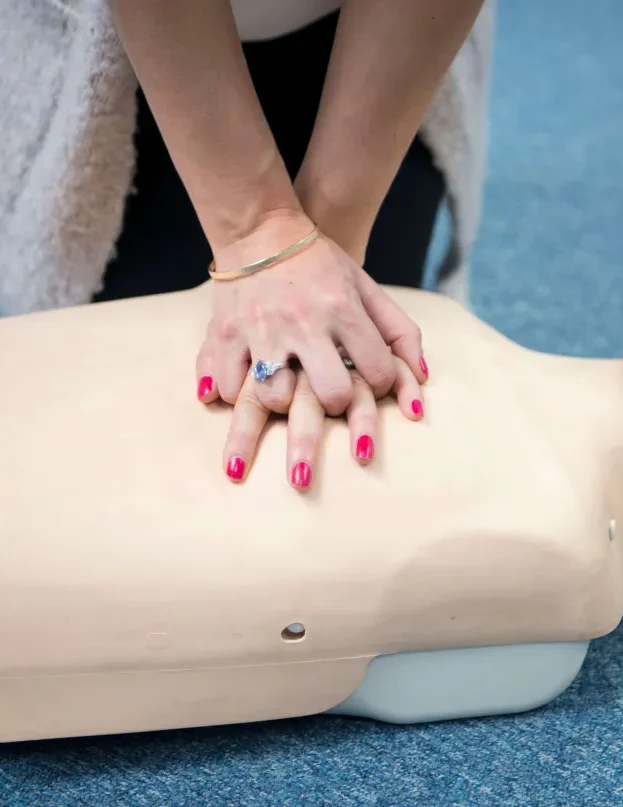
A course trainer wearing green and black uniform is demonstrating CPR on a training manikin. She is performing chest compressions, kneeling by the manikin and putting the heel of one hand in the centre of the manikin's chest. She has placed her other hand on top of the first.

Have a question or need help with booking a course?

Email training@sjacymru.org.uk or ring 0300 201 1999.